Art is one of the most powerful and enduring expressions of human existence. From the earliest cave paintings to contemporary digital installations, art has always been a way for humanity to communicate ideas, emotions, beliefs, and experiences. It transcends language, borders, and time, offering a universal medium through which people can connect and understand one another.
Defining Art
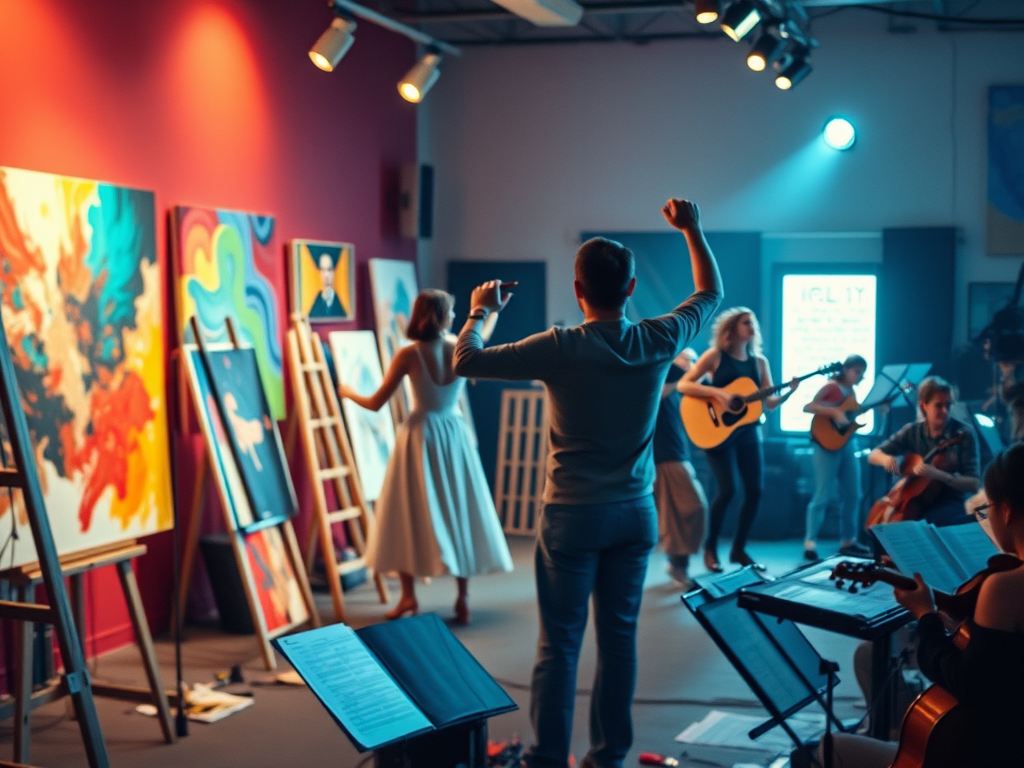
At its core, art is a form of creative expression. It involves the intentional use of skill, imagination, and symbolism to convey meaning or provoke thought. While definitions of art vary across cultures and historical periods, art is generally understood as something created to be experienced, interpreted, and felt. It can serve aesthetic purposes, tell stories, document reality, challenge norms, or inspire change.
Art is not limited to beauty alone. Sometimes it unsettles, questions, or confronts. In many cases, art reflects the values, struggles, and aspirations of the society in which it is created, making it both a personal and collective experience.
The Main Forms of Art
Visual Arts
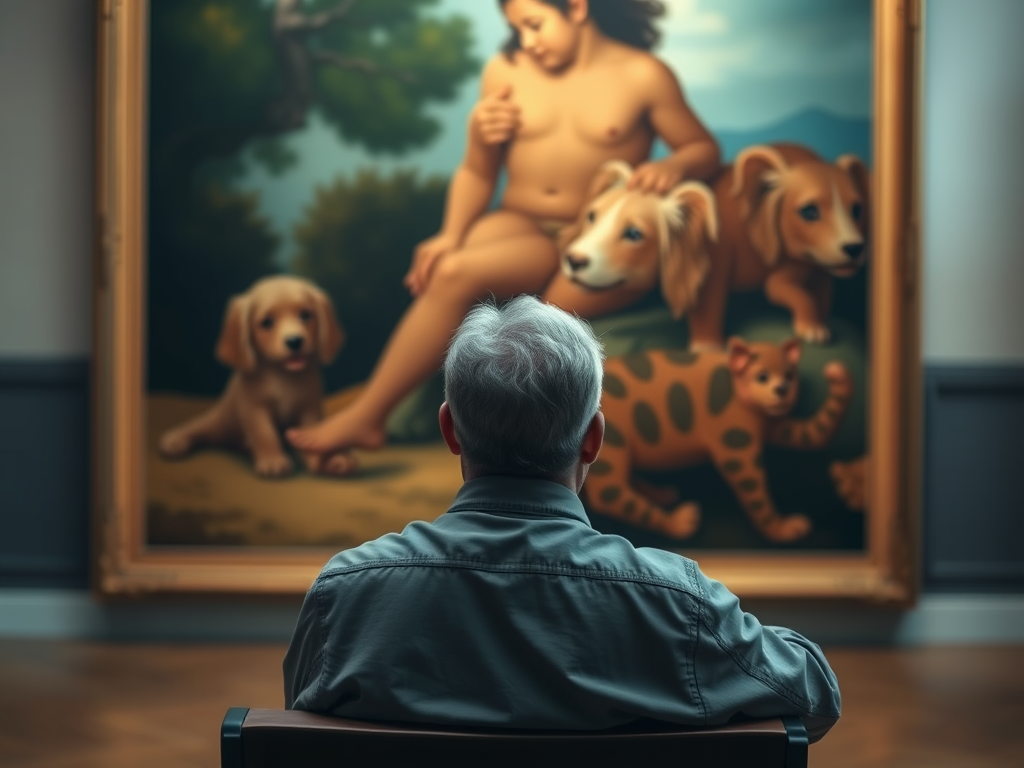
Visual arts are experienced primarily through sight. They include painting, drawing, sculpture, photography, printmaking, and digital art. These forms allow artists to explore color, shape, texture, and composition. Visual art can be realistic or abstract, symbolic or conceptual, offering endless ways to interpret the world.
Performing Arts
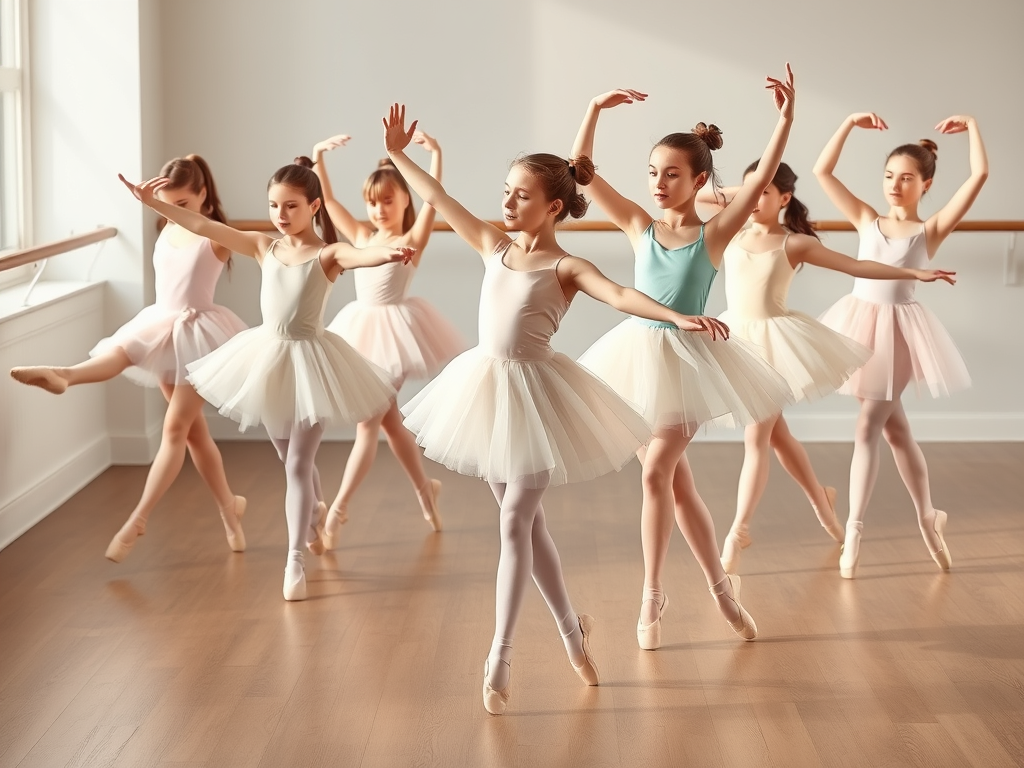
Performing arts involve live expression through movement, sound, or dramatic action. Music, dance, theater, opera, and film fall into this category. These art forms rely on time, rhythm, and performance to communicate meaning and emotion. The interaction between performer and audience plays a crucial role in shaping the artistic experience.
Literary Arts

Literary arts use language as their primary medium. Poetry, prose, drama, and fiction allow artists to explore ideas, emotions, and narratives through words. Literature can preserve history, reflect cultural identity, and imagine new realities. Through storytelling and poetic expression, literary art connects deeply with human thought and emotion.
Applied and Decorative Arts
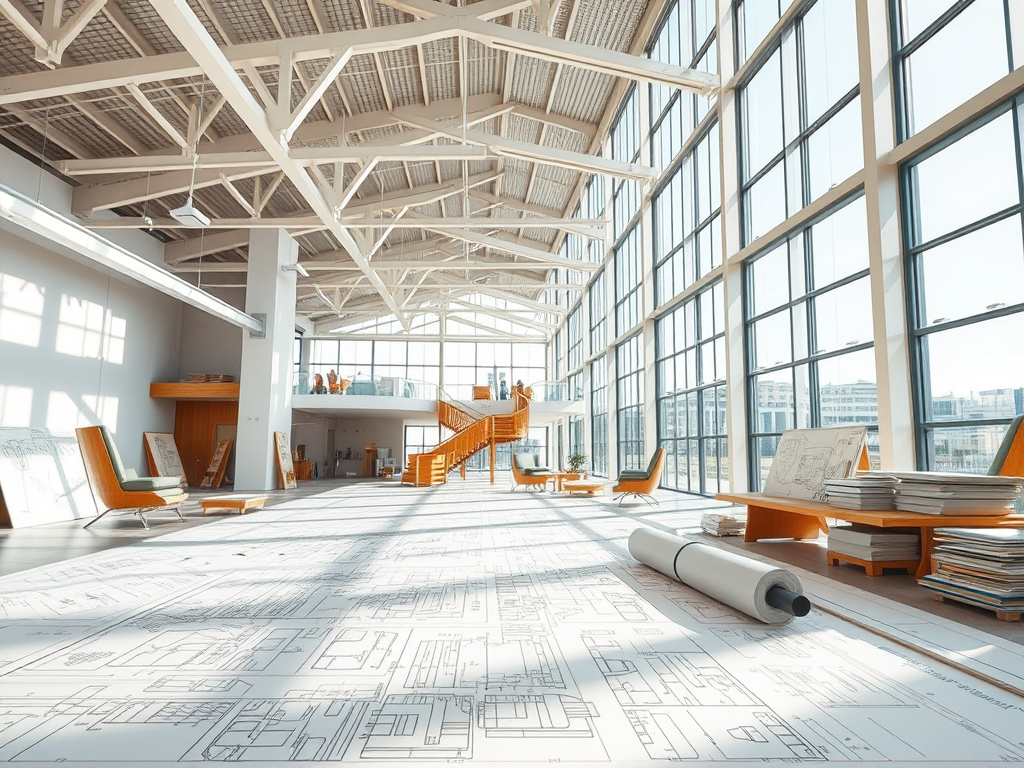
Applied arts combine artistic creativity with practical function. Architecture, fashion, graphic design, industrial design, ceramics, and furniture design belong to this category. These forms demonstrate that art is not separate from everyday life but woven into the objects and spaces we inhabit.
The Meanings of Art
Art carries meaning on multiple levels. For the artist, it may be a personal statement or emotional release. For the viewer, it can evoke reflection, pleasure, discomfort, or curiosity. Cultural context also shapes interpretation, as symbols and styles may hold different meanings across societies.
Art can be a tool for education, resistance, celebration, or healing. It documents history, preserves traditions, and gives voice to marginalized perspectives. In many cultures, art is deeply tied to rituals, spirituality, and communal identity.
Art as a Reflection of Humanity
Throughout history, art has mirrored human evolution. Changes in artistic styles often correspond to social, political, and technological shifts. From the realism of classical art to the experimentation of modern and contemporary movements, art continually adapts to the world around it.
At the same time, art shapes society by influencing how people see themselves and others. It challenges assumptions, sparks dialogue, and encourages empathy. In this way, art is both a reflection of humanity and a force that helps shape it.
Conclusion
Art is not a single idea or fixed definition. It is a living, evolving language of human creativity. Whether expressed through images, movement, sound, or words, art allows us to explore who we are and how we relate to the world. By engaging with art, we participate in a shared global conversation that spans cultures and generations. Art reminds us that creativity is a fundamental part of being human, and its meanings are as diverse and limitless as humanity itself.


 Les Arts du Monde
Leave a comment